
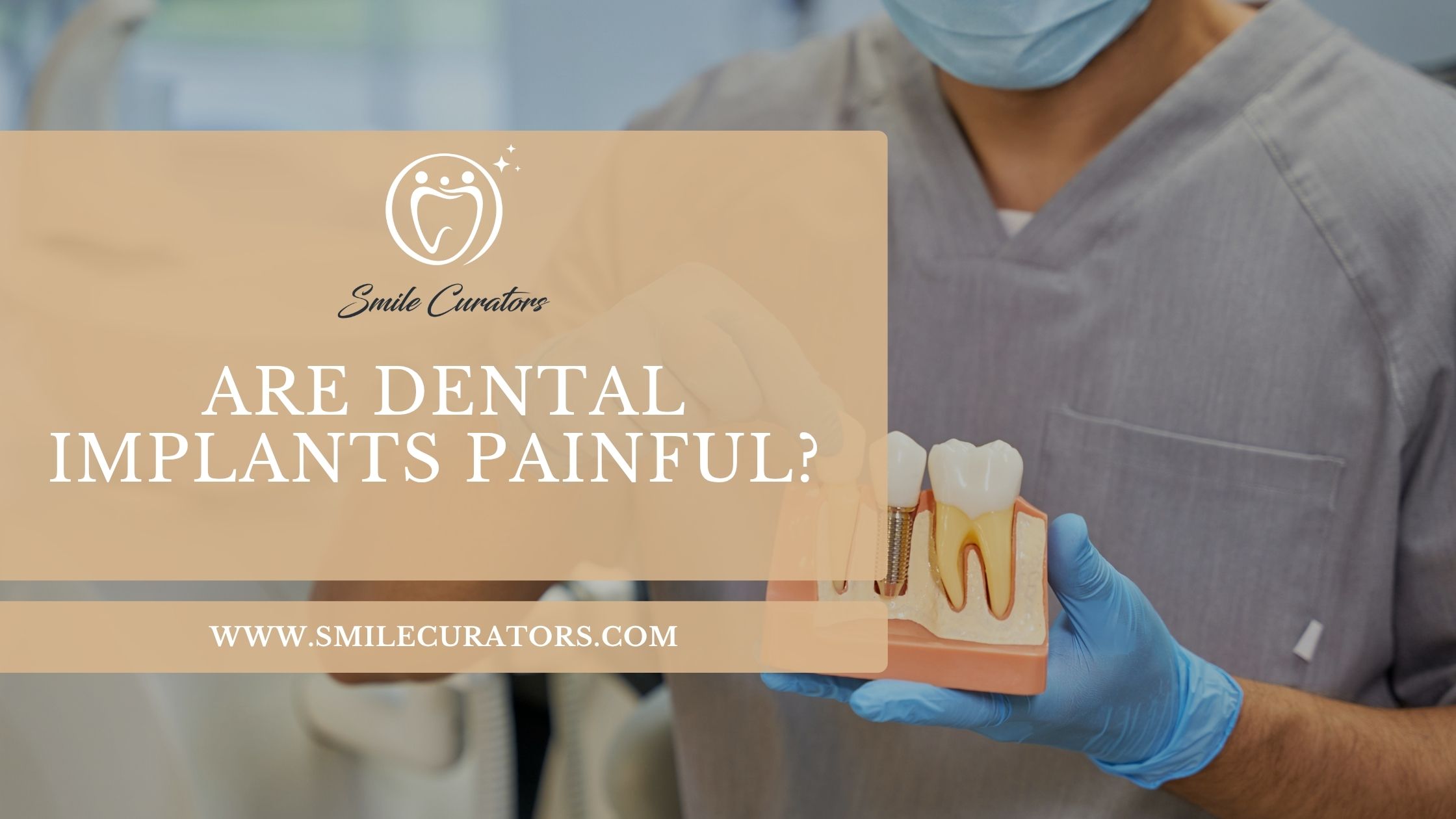
One of the first questions people ask when considering dental implants is, “Will it hurt?” It’s a completely understandable concern. The thought of having a dental implant placed into your jawbone can sound intimidating, especially if you’ve never had oral surgery before.
The good news is that most patients are pleasantly surprised by how manageable the procedure and recovery are. Thanks to modern dental techniques, local anesthesia, digital planning, and improved surgical methods, dental implant treatment is generally more comfortable than many people expect.
In this guide, we’ll explain what you can realistically expect during the procedure, what recovery feels like, how long healing takes, and what you can do to make the recovery process smoother.
Why Do People Think Dental Implants Are Painful?
The word “implant surgery” often creates anxiety because many people imagine a lengthy or painful procedure.
In reality, dental implant placement is a carefully planned treatment performed under local anesthesia. During the surgery, the treatment area is completely numbed, so you shouldn’t feel pain while the implant is being placed. You may notice pressure or vibration, but sharp pain is not expected.
Much of the fear surrounding implants comes from uncertainty rather than the procedure itself. Knowing what happens before, during, and after treatment can help reduce anxiety.
What Happens During Dental Implant Surgery?
Before the procedure begins, your dentist or oral surgeon will ensure you’re comfortable by administering local anesthesia. In some situations, sedation may also be offered, depending on your medical history, anxiety level, and the complexity of the procedure.
During the surgery, the dentist:
- Makes a small opening in the gum.
- Prepares the implant site in the jawbone using specialized instruments.
- Places the implant into the prepared site.
- Closes the area if necessary.
For a single implant, the procedure often takes 30 to 60 minutes, although more complex cases involving multiple implants or additional procedures may take longer.
According to the American Dental Association (ADA), dental implant placement is a routine procedure when performed by trained professionals using appropriate planning and techniques.
Will I Feel Pain During the Procedure?
No—under normal circumstances, you should not feel pain during the procedure because the area is numbed with local anesthesia.
You may experience:
- Pressure
- Mild vibration
- A sensation of movement
These sensations are normal and should not be painful.
If you experience discomfort during the procedure, let your dentist know immediately so additional anesthesia can be provided if needed.
What Happens After the Anesthesia Wears Off?
Once the numbness fades, it’s normal to experience mild to moderate discomfort around the treated area.
Common symptoms during the first few days include:
- Mild soreness
- Swelling
- Tenderness
- Minor bruising
- Slight bleeding for a short period
These symptoms are part of the body’s natural healing response and typically improve within a few days.
Many patients compare the recovery to having a tooth extracted rather than experiencing severe surgical pain.
What Does Recovery Feel Like?
Recovery is different for everyone, but most people find it easier than expected.
First 24 Hours
During the first day, you may notice:
- Numbness wearing off
- Mild discomfort
- Light swelling
- Slight oozing from the surgical site
Your dentist may recommend pain-relieving medication, cold compresses, and rest during this period.
Days 2–3
Swelling often reaches its peak within 48 to 72 hours.
You may still experience:
- Tenderness while chewing
- Mild jaw stiffness
- Slight bruising around the gums or face
These symptoms usually begin improving after the third day.
One Week
Most patients feel significantly better within a week.
Any stitches that require removal may be addressed during a follow-up visit, while dissolvable stitches will gradually disappear on their own.
Many people are able to return to their normal routines much earlier, depending on the complexity of the procedure.
Long-Term Healing
Although the gums often heal within a few weeks, the implant itself requires additional time to bond with the jawbone through a natural process called osseointegration.
This healing period generally takes three to six months, depending on:
- Bone quality
- Overall health
- Smoking habits
- Whether bone grafting was performed
During this phase, the implant becomes securely integrated into the jawbone before the final crown is attached.
What If I Need Bone Grafting?
Some patients require bone grafting before or during implant placement if there isn’t enough healthy bone to support the implant.
Bone grafting may lead to slightly more swelling or tenderness compared to straightforward implant placement, but most patients still recover comfortably with proper aftercare.
According to the Cleveland Clinic, bone grafting helps create a stable foundation for long-term implant success in patients with reduced bone volume.
How Can You Reduce Discomfort After Dental Implant Surgery?
Following your dentist’s instructions is the best way to promote healing.
Helpful tips include:
Apply Cold Compresses
Using an ice pack during the first 24 hours can help reduce swelling.
Eat Soft Foods
Choose foods that require minimal chewing, such as:
- Yogurt
- Mashed potatoes
- Soup (cooled slightly)
- Scrambled eggs
- Smoothies
- Oatmeal
Avoid hard, crunchy, or sticky foods until your dentist advises otherwise.
Take Medications as Directed
If your dentist prescribes pain medication or antibiotics, take them exactly as instructed.
Avoid taking additional medications without professional guidance.
Maintain Good Oral Hygiene
Keeping your mouth clean is essential.
Your dentist may recommend:
- Gentle brushing around the area
- Antimicrobial mouth rinses
- Avoiding vigorous rinsing during the first 24 hours
Proper oral hygiene helps reduce the risk of infection.
Avoid Smoking
Smoking can interfere with healing and increase the risk of implant complications.
If possible, avoid smoking before and after surgery to support healthy recovery.
When Should You Contact Your Dentist?
While mild discomfort is expected, certain symptoms should be evaluated promptly.
Contact your dentist if you experience:
- Severe or worsening pain after several days
- Persistent heavy bleeding
- Fever
- Significant swelling that continues to increase after three days
- Pus or signs of infection
- A loose implant
- Difficulty swallowing or breathing
Early evaluation can help address potential complications before they become more serious.
Does Everyone Recover the Same Way?
No.
Recovery varies based on several factors, including:
- Age
- Overall health
- Bone quality
- Number of implants placed
- Surgical complexity
- Smoking habits
- Oral hygiene practices
Most healthy individuals recover smoothly when they follow post-operative instructions.
Are Dental Implants Worth the Recovery?
Although dental implant treatment involves a healing period, many patients feel the temporary recovery is worthwhile because implants offer long-term benefits, including:
- Improved chewing ability
- Natural appearance
- Stable replacement teeth
- Better speech
- Preservation of jawbone
- Long-lasting results with proper care
According to the American Academy of Implant Dentistry (AAID), dental implants have high long-term success rates when placed in suitable candidates and maintained with good oral hygiene.
Final Thoughts
It’s natural to worry about pain before dental implant surgery, but most patients find the experience much more comfortable than they expected. Thanks to modern anesthesia, advanced treatment planning, and evidence-based surgical techniques, discomfort during the procedure is minimal, and recovery is usually manageable.
Understanding what to expect can help you feel more confident about the process. If you’re considering dental implants, talk openly with your dentist about your concerns. A thorough consultation, personalized treatment plan, and clear aftercare instructions can make the entire experience smoother and less stressful.
Remember, while temporary soreness is part of healing, the long-term goal is a healthy, functional smile that allows you to eat, speak, and smile with confidence.
Frequently Asked Questions
1. Are dental implants more painful than tooth extractions?
Many patients report that implant surgery feels similar to or even less uncomfortable than a tooth extraction. Individual experiences vary, but modern anesthesia helps keep the procedure comfortable.
2. How long does pain last after dental implant surgery?
Most discomfort improves within a few days. Mild tenderness may continue for about a week, while the implant continues to heal beneath the gums over several months.
3. Can I go to work the next day?
Many people return to work within one or two days after a straightforward implant procedure. Recovery depends on the complexity of the surgery and your dentist’s recommendations.
4. Is swelling normal after dental implant surgery?
Yes. Mild to moderate swelling is a normal part of healing and typically peaks within the first two to three days before gradually improving.
5. How can I recover faster after a dental implant?
Following your dentist’s instructions, eating soft foods, maintaining good oral hygiene, avoiding smoking, taking prescribed medications, and attending follow-up appointments can all support a smoother recovery.