
Expert Oral Surgery with Minimal Discomfort

Safe, Precise Oral Surgery — Delivered with Expert Hands and a Gentle Touch.

Request A Quote

Dental-Root-Img

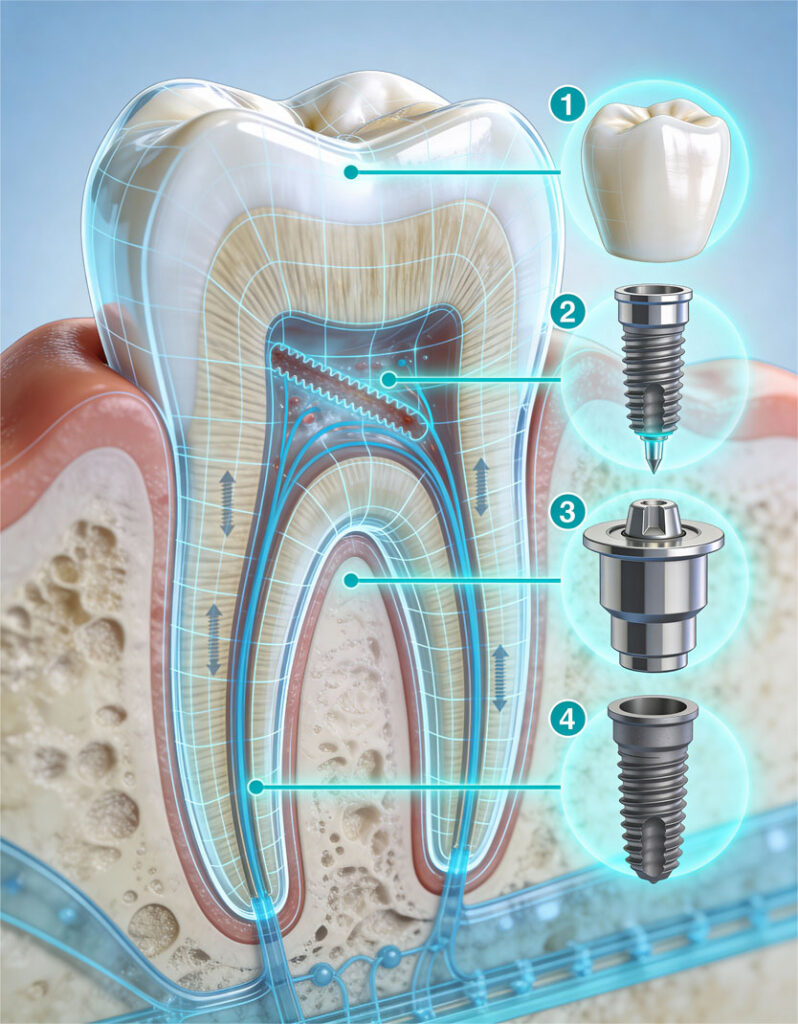
What Does Oral Surgery Involve?

Your Surgical Journey

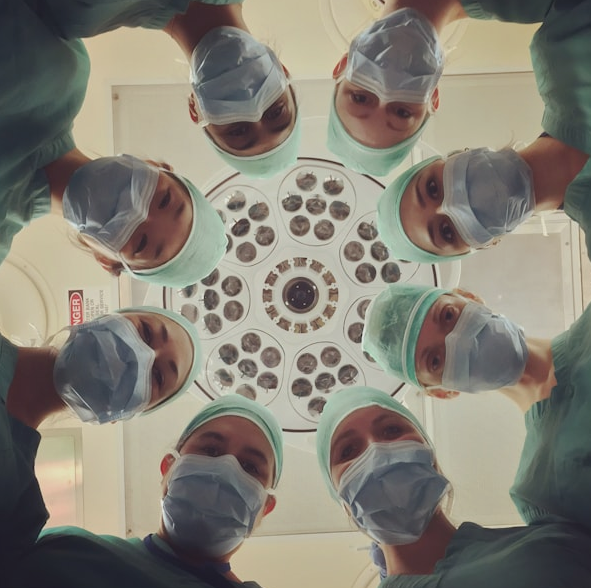
Our surgeons combine years of clinical experience with the latest surgical techniques to ensure every procedure is as straightforward as possible. We use local anaesthesia as standard, with sedation options available for anxious patients or complex cases. You’ll be in safe, skilled hands every step of the way.

When Is Oral Surgery Necessary?

Your Care Journey — From Consultation to Recovery

Every surgical patient receives detailed pre-operative instructions and a personalised aftercare plan. We are available for any post-surgical concerns and ensure you have direct access to our team during your recovery period.

01

Surgical Consultation

We assess your X-rays, discuss your symptoms, and explain all surgical options clearly so you can make an informed decision.
arrow-ryt (1)

02

Pre-Op Preparation

You’ll receive written pre-op instructions including fasting guidelines, medication advice, and what to arrange for your recovery at home.
arrow-ryt (1)

03

Anaesthesia

Local anaesthesia ensures you are completely numb. Sedation options are available for anxious patients or lengthy procedures.
arrow-ryt (1)

04

The Procedure

Our surgeon works with precision and care to complete the procedure efficiently, minimising tissue disruption and healing time.

Common Oral Surgery Procedures

Why Choose Surgical Treatment?

Wisdom teeth are the most commonly removed teeth. When there is insufficient space for them to erupt fully, they become impacted — which can cause pain, infection, crowding, and damage to adjacent teeth. Early removal is often easier and reduces complications.

Post-Op Review

We check healing progress, address any concerns, and adjust your aftercare plan as needed.

Follow-Up Care

Long-term monitoring ensures complete healing and that next steps — such as implant placement — can proceed on schedule.

Tooth Extraction

Gentle removal of teeth that are severely decayed, fractured, or causing crowding — completed under local anaesthesia.

Wisdom Tooth Removal

Surgical removal of impacted wisdom teeth to prevent pain, infection, and damage to neighbouring teeth.

Bone Grafting

Rebuilds jaw bone density using graft material to create a stable foundation for dental implants.

Frenectomy

A small procedure to release a restrictive frenulum that affects speech, eating, or infant breastfeeding.
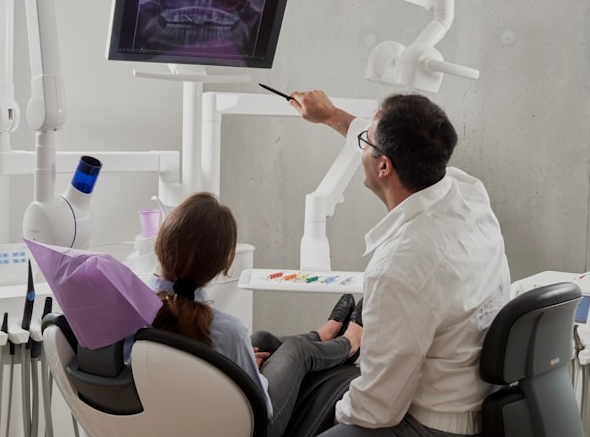
What to Expect Before, During & After

Procedures We Perform

Bone grafting is often recommended when jaw density has decreased due to tooth loss. A graft rebuilds the bone volume needed to successfully place dental implants, ensuring a long-lasting, stable result.

Cyst Removal

Safe removal of oral cysts or benign lesions, with biopsy where clinically indicated for peace of mind.

Implant Site Prep

Surgical shaping and preparation of bone and soft tissue prior to implant placement for optimal outcomes.
Simple Surgery

Straightforward extractions and minor procedures with a rapid recovery time of 1–3 days.

Complex Surgery

Complex multi-step procedures including bone grafting, sedation, and extended healing periods — all managed in-house.

Why choose Smile Curators

Committed to Creating Healthy, Confident, and Beautiful Smiles for Every Patient

Recovery Tips After Oral Surgery

Why Trust Smile Curators for Oral Surgery

Following surgery, swelling and mild discomfort are normal and typically peak within 48 hours before resolving. Ice packs, prescribed medication, and soft foods help speed recovery. Most patients return to normal activity within 3–5 days.

Bone grafting to rebuild jaw structure

Frenectomy for tongue-tie and lip-tie correction

Biopsy of suspicious oral tissue

Management of jaw infections and abscesses

Pre-prosthetic surgery to prepare for dentures

Post-operative care and follow-up included

Smile Wider, Laugh louder Expert Dental Care Awaits.

Your dream smile starts here, Schedule your appointment now.

TESTIMONIALS

Smiles That Say It All

Frequently asked questions

Is oral surgery painful?
No. All oral surgery at Smile Curators is performed under local anaesthesia, so you won’t feel pain during the procedure. You may feel pressure or movement, but no sharp pain. Post-operative soreness is manageable with prescribed or over-the-counter pain relief and usually subsides within a few days.
Most simple extractions heal within 7–10 days. The socket fully closes over 3–4 weeks, and bone remodelling continues for several months. Following aftercare instructions — especially avoiding smoking and straws — significantly speeds up the process.
If you’ve only had local anaesthesia, you can drive once the numbness wears off. If you’ve had sedation, you must have someone drive you home and stay with you for the rest of the day. We will confirm this with you at your consultation.
Stick to soft, cool foods for the first 48 hours — yoghurt, mashed potatoes, scrambled eggs, smoothies, and soup. Avoid hard, crunchy, or spicy foods, hot beverages, and alcohol until healing is well underway. We’ll provide a full dietary guide after your procedure.
We recommend evaluation once wisdom teeth begin to emerge, typically between ages 17–25. Signs that removal may be needed include persistent pain at the back of the jaw, swelling, difficulty opening the mouth, crowding of other teeth, or recurrent infection around the erupting tooth.

Request A Quote