
Missing teeth can affect much more than your appearance. They can impact your ability to eat comfortably, speak clearly, and maintain confidence in social situations. This is why dental implants have become one of the most trusted and successful tooth replacement solutions worldwide. But before investing in treatment, one question naturally comes to mind: how long do dental implants last?
Fortunately, dental implants are intended to stand the test of time. Implants can last for decades with the right care, and unlike conventional bridges or dentures these may need to be replaced every couple of years. Nonetheless, How long they will last is dependent on various factors, such as oral hygiene habits, lifestyle factors, overall health and quality of the treatment. Long-term success isn’t measured in months, it’s measured in decades. Recent research highlights how modern dental implants continue to deliver exceptional survival rates even after 20 years, reinforcing their position as one of dentistry’s most reliable treatment options.
This guide covers why dental implants last, what you can realistically expect from a dental implants lifespan and how to take care of your dental implants for the long haul!
Understanding How Dental Implants Work
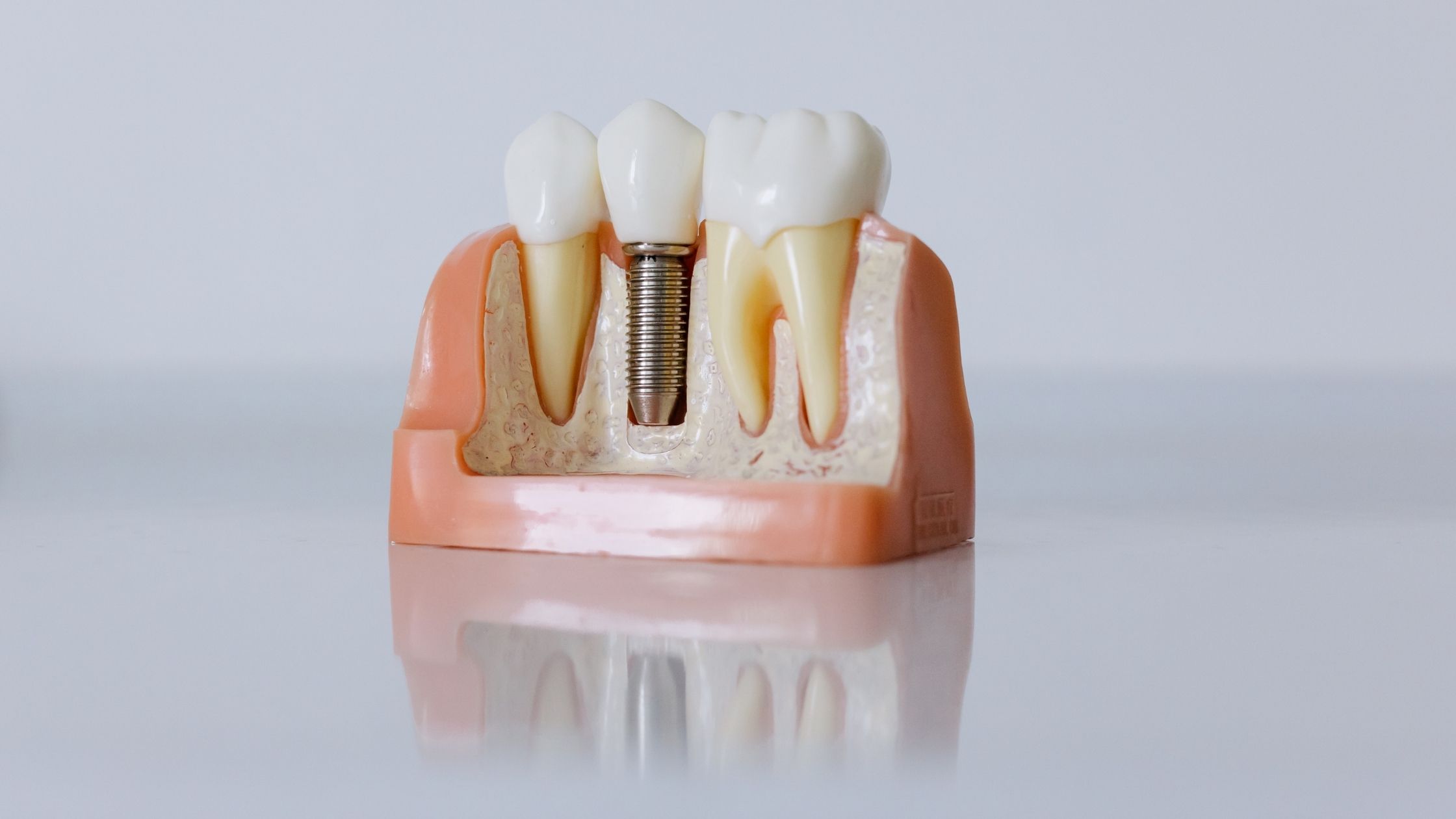
During the process of osseointegration, the implant post fuses or integrates with the jaw bone. This gives your implant a solid base that resembles the root of a natural tooth. Implants become a part of the jawbone structure, making them more stable than removable tooth replacement methods.
How Long Do Dental Implants Last?
The answer to the common question when patients ask, “How long do dental implants last?” but whether that concern is about the implant itself, or even another component of the restoration.
Implant Post
In many situations, the titanium implant itself will last for 20 years or even longer. Often, with proper upkeep it can carry on for a lifetime.
Dental Crown
While the crown affixed to the implant is subjected to normal chewing forces every day and some of them will eventually need replacing. Crowns tend to age well, and most leave the office lasting around 10–15 years but functioning for significantly longer.
Why Dental Implant Longevity Varies Between Patients
The patient is never the same. Some people have implants that last for decades; others experience problems with their prosthesis sooner.
There are many factors that affect how long dental implants last.
- Oral Hygiene Habits
- One of the most important factors still for implant success is good oral hygiene.
- Patients should:
- Brush twice daily
- Floss regularly
- Use recommended cleaning tools
- Attend routine dental checkups
While implants can not cavity, plaque buildup around your implant might make the surrounding bone and gums become infected. Peri-implant disease is the main cause of failure in implants, a considerable factor being poor hygiene.
The Role of Bone Health
Implant stability requires support from healthy, strong jawbone.
Before treatment, dentists evaluate:
- Bone density
- Bone volume
- Overall oral health
Bone grafting procedures may be the only option available for patients with inadequate bone prior to implant placement. The bond of a stable jawbone is the foundation that provides lasting implant stability and affects dental implants lifespan directly.
Smoking and Implant Success
There are many studies associating smoking with decreases in implant success rates.
Smoking can:
- Slow healing
- Restrict blood flow
- Increase infection risk
- Interfere with osseointegration
According to national cancer institute (NIH),smokers had a higher risk of implant complications compared with non-smokers. The good news for patients considering implants is that reducing or quitting tobacco use can make a significant difference in the outcome of an implant placement.
Medical Conditions That May Affect Implants
Certain health conditions can influence healing and long-term implant performance.
Examples include:
- Uncontrolled diabetes
- Autoimmune disorders
- Osteoporosis
- Gum disease
- Immune system deficiencies
This does not necessarily mean implants are unsuitable. However, careful planning and ongoing monitoring become especially important. Your dentist will review your medical history to determine the most appropriate treatment approach.
Why Professional Placement Matters
Implant treatment outcomes can be highly dependent on the competence and experience of the individual dentist performing this procedure.
Successful implant placement requires:
- Precise planning
- Accurate positioning
- Proper bite alignment
- Adequate bone support
The use of advanced imaging technology and meticulous treatment planning facilitates selective end-expiration splitting and reduces the risk, while improving the predictability of procedure. An experienced dental implant provider has a tremendous impact on the longevity of your dental implant and your long-term satisfaction with them.
Daily Habits That Can Shorten Implant Life
An implant that is placed in an optimal location can fail if it is overloaded.
Before we can introduce the list of factors, let us beat around some common habits that potentially shorten the lifespan of implants.
Teeth Grinding (Bruxism)
Both natural teeth and implants experience greatly Increased Impact Forces from Grinding.
Using Teeth as Tools
Restorations can be damaged by opening packages or biting hard objects.
Poor Dietary Choices
Excessive intake of sugar contributes to gum disease and oral health issues.
Skipping Dental Visits
It allows time to identify and address things before they turn serious by scheduling routine professional exams. Healthy habits safeguard your implants so you can get the most out of them.
Signs Your Implant May Need Attention
Although complications with implants are not very common, patients should be aware of early warning signs including:
- Gum inflammation
- Bleeding around implants
- Pain during chewing
- Implant mobility
- Persistent bad breath
- Swelling near the implant site
Most small issues do not become bigger ones thanks to early intervention. Regular checkups are essential for maintaining the health of dental implants over time.
How to Maximize Your Dental Implants Lifespan
Fortunately, maintaining implants is relatively straightforward.
Follow these guidelines:
✔ Brush thoroughly every day
✔ Floss around implants regularly
✔ Attend professional cleanings
✔ Avoid smoking
✔ Listen to your dentist and wear a nightguard if directed
✔ Make sure to follow cleaning instructions given by your dentist.
✔ Address gum disease promptly
When you maintain an effective routine for taking care of your implants, you will significantly improve your chances that they stay healthy for years to come. Not all dental implants are the same. Understanding the available implant options can help you choose a solution that matches your oral health needs, lifestyle, and long-term smile goals.
A Long-Term Investment in Your Smile
Dental Implants have revolutionized modern dentistry with a restoration that can closely replicate the form and function of natural teeth. With proper oral care and treatment, dental implants typically last for years (even decades) in many patients.
Although the long-term treatment outcomes are influenced by considerations such as bone health, intra-operative lifestyle habits and overall wellness, most patients achieve excellent results well into the future after treatment completion. Investing in dental implants is a not insignificant investment, but by selecting experienced providers and following recommended maintenance guidelines you can greatly increase your fixtures longevity and protect that investment.
You might be wondering how long dental implants last, the good news is, with proper care, your new smile can be a smile that lasts you comfortably and confidently for a lifetime! At Smile Curators, we don’t just treat teeth, we craft confident, healthy smiles through advanced dental care, personalized treatment plans, and a patient-first approach. Every smile has a story. Let our experienced team help you create one filled with confidence, comfort, and lasting oral health.
Frequently Asked Questions
How long do dental implants last?
The implant posts themselves, have been known to last 20 years or longer; many remain functional for life. Depending on the wear, the crown might need to be replaced once every 10–15 years.
What is the most important factor for a dental implant to last?
Your oral hygiene, smoking habits, gum health, bone quality, medical condition and regular dental visits are some of the factors are very essential for a long lasting implant.
Done right, can implants last forever?
Yes. Most patients can retain their implants for life with diligent home care and regular visits to a dental professional.
Do dental implants last longer than bridges?
In most cases, yes. Overall, dental implants are more permanent and stable than conventional dental bridges.
How do i keep my dental implants for a long time
Keeping good oral hygiene, quitting smoking, regular dental visits and following dentist recommendations are essential parts of implant care in the long run.