
A confident smile should not have to come with a mouth full of metal. For many people, orthodontic treatment has traditionally meant brackets, wires and regular adjustments. This was an option clear aligner therapy provided today, a series of removable tray custom-made for slowly moving teeth. The flexibility of clear aligners compared to traditional braces means that you can also have orthodontics more easily incorporated into your work, studies, social events and day-to-day routines. For patients considering clear aligner treatment, the choice of aligner system also matters. Modern solutions such as Elencia Aligners are designed to support a discreet, removable and digitally planned approach to teeth straightening, while treatment remains guided by a qualified dental professional.
1. A More Discreet Way to Straighten Teeth
Appearance is a considerably large reason that adults opt for clear aligners over braces. Aligners are made from a clear type of orthodontic material that is fitted close to the teeth. Traditional braces involve brackets and wires that you can see every time you smile or talk. Systems such as Elencia Aligners offer a clear and discreet orthodontic option for patients who want to work toward a straighter smile without the noticeable appearance of traditional brackets and wires. That makes it appealing to working adults, college-age students and others who might be self-conscious about wearing noticeable orthodontic appliances.
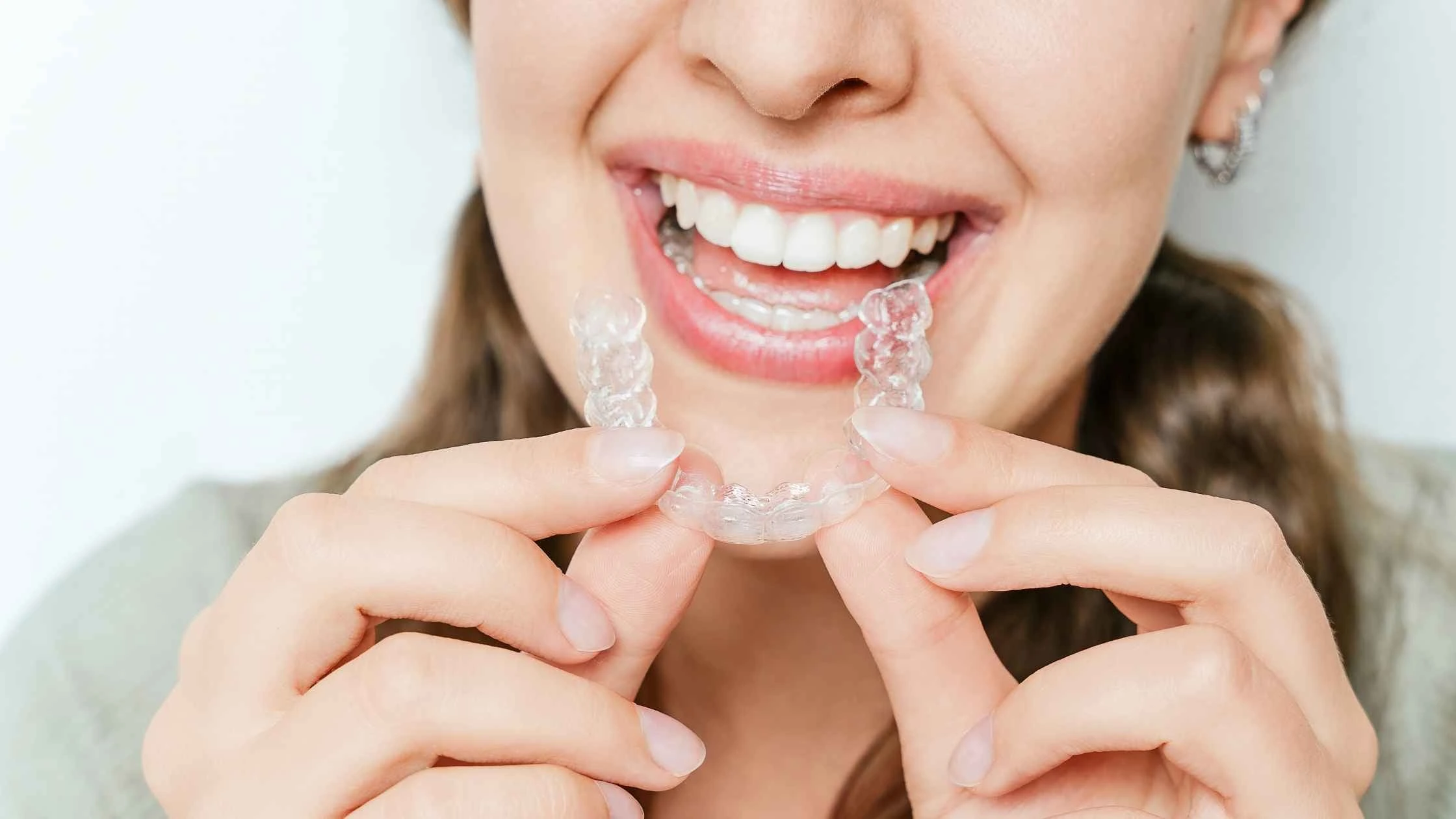
2. You Can Remove Them When Necessary
Unlike fixed braces, you can remove clear aligners for eating and drinking, as well as brushing your teeth. That means you do not have to create your whole diet around brackets and wires. Take the trays out before eating and putting them back in after brushing your teeth. This kind of versatility is one the great practical benefits of clear aligners especially from young people with busy schedules.
However, removability comes with responsibility. Since aligners are designed to be worn on a specific schedule, repeatedly leaving them out for extended time can inhibit treatment progress.
3. Easier Everyday Oral Hygiene
Brushing and flossing around traditional brackets can take additional time and care. Food particles can collect around brackets and underneath wires, making thorough cleaning more challenging.
With removable aligners, you can normally take the trays out and follow your regular brushing and flossing routine.
The American Dental Association recommends brushing twice daily with fluoride toothpaste and cleaning between teeth daily.
| Daily routine | Clear aligners | Traditional braces |
| Remove appliance for brushing | Yes | No |
| Flossing access | Generally easier | Requires more technique |
| Food trapped around brackets | No brackets | Possible |
| Dietary restrictions | Fewer | More restrictions |
Good hygiene remains essential with either treatment.
4. Fewer Food Restrictions
With traditional braces, patients may need to stay away from certain hard, sticky or chewy foods that can damage brackets or wires. Aligners are different in that the trays are usually removed prior to eating. As such, patients are enabled to continue eating a more diverse range of foods while adhering to their dentist’s instructions. That does not equal unlimited snacking! But this does not mean that regular sugary foods and drinks cannot cause tooth decay.
The more significant benefit is the fact that you do not have to keep the orthodontic appliance itself in your mouth while eating.
5. Designed for Comfortable Teeth Straightening
So some pressure or a bit of temporary tenderness is typical no matter what appliance is in place, seeing as Orthodontics works by applying controlled forces to move teeth. On the other hand, traditional braces use brackets and archwires, while clear aligners are made from a smooth material. This could relate to fewer worries regarding metal brackets irritating the cheeks or lip for patients who want a more comfortable teeth straightening.
The experience is still individual. When we first put in a new aligner it may feel snug especially as the tooth starts to respond in accordance with the desired movement.
6. Fewer In-Office Adjustments May Be Needed
Brackets in traditional braces require several visits to change wires and sat as the progress of alignment with the bracket adjustments is monitored. The clear aligner treatment usually consists of a prescribed sequence of trays, typically with appointments to check progress and dispense the next phase of therapy as appropriate. How often you will have appointments depends on your treatment plan. Digital treatment planning may also allow dental professionals to visualise planned tooth movements before and during treatment. But remember that digital simulations are tools for planning, not the final destination.
7. Better Suited to Busy Lifestyles
Orthodontic treatment has to be part of real life.
For some patients, the visible nature of braces can be a nuisance during meetings, presentations, weddings, travel and interviews as well as social events. Since aligners are removable and discreet, they tend to fit more seamlessly into most lifestyles. If you choose clear aligners over traditional braces, this flexibility in lifestyle can sometimes be as important to people as the actual orthodontic result. The key is consistency. Removable trays are convenient, but not if the patient does not wear them as prescribed.
8. No Brackets or Wires to Irritate the Mouth
Occasionally, metal brackets and wires can cause irritation particularly when they are first positioned or if a wire shifts out of position. Clear aligners do not have the traditional brackets attached to each individual tooth, and they are made of a smooth plastic material. That can make them appealing for patients who are particularly worried about soft-tissue irritation.
Nonetheless, an aligner must fit correctly. If there is persistent rubbing, sharp edges or unusual discomfort these can be ignored that need flagged to the dental professional.
9. Treatment Can Be Planned Digitally
Currently, digital scans, intraoral photographs and treatment-planning software are often employed for modern clear aligner treatment.
Instead of just using traditional impressions, several practices are able to generate a virtual (or digital) model of the patient’s teeth This information can then help the dentist plan a chain of movements for the teeth. There are possibilities to relate and monitor the treatment flow in a faster manner through digital workflows. But technology does not replace clinical expertise. Diagnostics, treatment planning and monitoring remain the responsibility of the dentist or orthodontist.
10. A Solution That Can Fit Your Smile Goals
Orthodontic treatment goes far beyond just making teeth appear straighter. A proper evaluation looks at the alignment of teeth, bite, spacing and crowding of teeth as well as health history. Clear aligners for teeth straightening offers a more subtle way to correct many common alignment concerns while keeping a relatively normal day-to-day life.
While clear aligners can resolve many orthodontic issues, the AAO points out that in some complicated situations, they may be more suitable than other orthodontic practices.
Clear Aligners vs Traditional Braces: At a Glance
| Feature | Clear Aligners | Traditional Braces |
| Appearance | Discreet | Highly visible |
| Removable | Yes | No |
| Eating | Trays removed | Food restrictions |
| Oral hygiene | Easier appliance removal | Requires additional care |
| Brackets/wires | No | Yes |
| Lifestyle flexibility | High | Moderate |
| Patient responsibility | High | Lower for appliance wear |
| Suitable for every case | No | No |
Where Do Elencia Aligners Fit In?
For patients who are suitable candidates for clear aligner therapy, Elencia Aligners provide a modern alternative to traditional fixed braces. Like other clear aligner systems, treatment involves a planned series of removable trays designed to progressively guide teeth toward their intended positions under professional supervision.
What Does the Research Say?
Greater research into aligners and their business model will continue to drive growth, with increased market shares being gained over the more established methods of orthodontics. The key takeaway is that not one appliance is universally better than the other. Transparent aligners are a great choice for many types of patients while traditional braces remain very effective for most orthodontic conditions. Before you start your clear aligner journey, know what to expect. Explore the benefits, treatment process, and essential tips for a confident decision.
Your Smile, Your Choice: Finding the Right Path to Straighter Teeth
The decision to choose clear aligners over traditional braces should be based on more than appearance. Removability, easier hygiene, fewer food restrictions, discreet treatment and lifestyle flexibility can make aligners an attractive option for suitable patients. At Smile Curators, the focus should always begin with your individual dental needs rather than simply choosing the most popular treatment. A professional consultation can help determine whether clear aligners are appropriate for your smile, bite and treatment goals.
Frequently Asked Questions
Are clear aligners more effective than braces?
Not automatically. While clear aligners have the benefits of being removable and less visible, braces are typically more effective for certain types of complicated tooth movements. The type of treatment your dentist suggests will depend on your specific bite and orthodontic needs.
So, Can You Even Eat Normally with Clear Aligners?
You usually take out your aligners before all meals and whenever you drink anything besides water. When possible, after eating it is advisable to brush teeth before putting on the trays.
Do clear aligners hurt?
When you start up a new tray, some pressure or mild tenderness can happen since the appliance works by moving teeth. Pain that is severe or persists, acute pain should not be ignored and should be discussed with your dentist.
If I forget to wear my aligners, what will happen?
Aligners rely on regular use, so taking them out too often can delay the treatment process. If you missed important hours wearing them, inquire with your dentist whether you should persist with the present tray or stick to an alternate timetable.
Are clear aligners completely invisible?
They are designed to blend in, but not necessarily disappear. Depending on the treatment plan, sometimes attachments can also be useful, buttons or other components that allow the braces to hold onto different parts of your teeth.