A toothache that disappears after taking a painkiller, gums that bleed occasionally, or sensitivity that only occurs when drinking something cold may seem like minor problems. It is tempting to manage these symptoms at home and wait for them to go away. However, temporary relief does not always mean the underlying dental problem has resolved.
Knowing when to visit a dentist instead of treating the problem at home can help you avoid prolonged discomfort and prevent certain dental conditions from becoming more complicated. While good oral hygiene and appropriate home care are essential, persistent pain, swelling, bleeding, and visible changes in your mouth deserve attention.
Whether you are managing a toothache, gum irritation, or sudden sensitivity in Mohali, recognising these warning signs can help you decide when professional dental attention is needed.
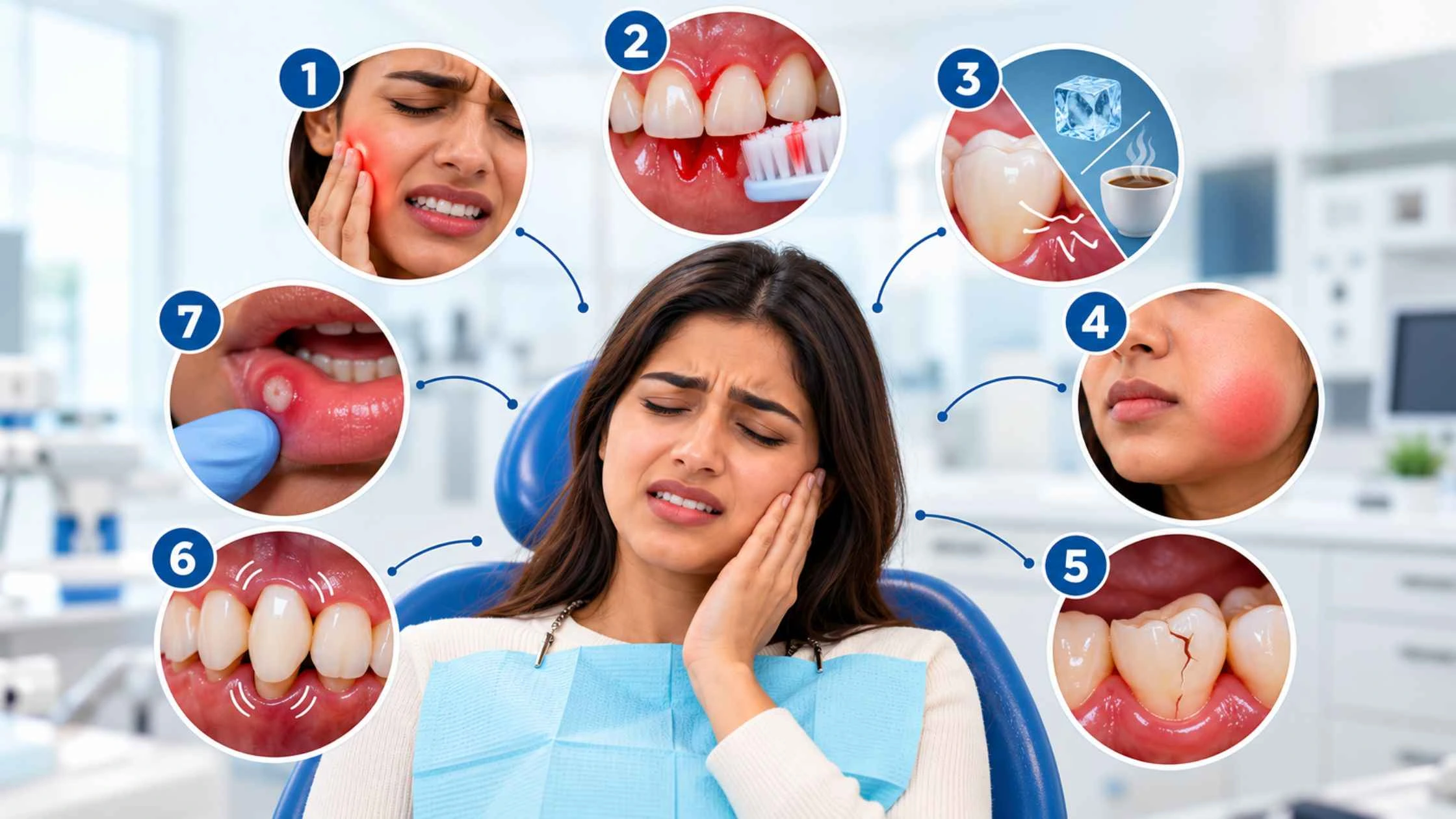
Here are seven warning signs to recognise, what they may indicate, and when to seek professional dental care.
Quick Answer: When Should You Visit a Dentist?
Visit a dentist if you have persistent toothache, recurring sensitivity, bleeding or swollen gums, facial swelling, a broken tooth, loose teeth, or a mouth ulcer that does not heal. Severe swelling that affects breathing or swallowing requires emergency medical attention. Home remedies may temporarily ease discomfort, but they cannot reliably diagnose or treat the underlying cause.

1. Your Toothache Keeps Returning or Lasts More Than Two Days
An occasional, mild ache may seem manageable, but recurring or persistent tooth pain should not be ignored. Possible causes include tooth decay, a cracked tooth, damaged dental fillings, or inflammation inside the tooth.
Pain that worsens when chewing, wakes you at night, or continues despite pain relief deserves particular attention. According to the NHS guidance on toothache, you should see a dentist if toothache lasts longer than two days.
While waiting for an appointment, avoid chewing on the affected side and choose foods that do not trigger discomfort. Do not place aspirin directly on the tooth or gum.
If you are unsure whether your symptoms need professional attention, read Smile Curators’ guide to 10 dental warning signs you should not ignore.
2. Your Gums Bleed When You Brush or Floss
Seeing blood on your toothbrush can be easy to dismiss, especially if there is no pain. However, recurring gum bleeding may be an early sign of gingivitis, the initial stage of gum disease.
Other symptoms may include:
- Red, swollen, or tender gums.
- Persistent bad breath.
- Bleeding while eating or cleaning between teeth.
- Gums that appear to be pulling away from the teeth.
The National Institute of Dental and Craniofacial Research explains that gum disease can affect the tissues supporting your teeth and may progress if left untreated.
Continue gentle brushing with a soft-bristled toothbrush, but arrange a dental examination if bleeding persists or keeps returning. A dentist can identify the cause and recommend appropriate care.
For more information, explore the early signs of gum disease you should never ignore.
3. You Experience Persistent Tooth Sensitivity
Does drinking cold water, eating ice cream, or sipping hot tea cause a sharp sensation in your teeth? Occasional sensitivity can occur for several reasons, but persistent or worsening discomfort needs assessment.
Possible causes include exposed tooth roots, worn enamel, tooth decay, cracked teeth, or problems with existing dental restorations.
You can try a toothpaste formulated for sensitive teeth and avoid foods or drinks that trigger discomfort. Brush gently rather than scrubbing aggressively.
However, do not assume sensitivity is harmless simply because it occurs only with certain foods. If it affects one particular tooth, lasts after the trigger is removed, or develops suddenly, book a dental appointment.
4. Your Face or Gums Become Swollen
Swelling around a tooth, gum, cheek, or jaw may indicate an infection or another dental problem that requires prompt assessment.
A dental abscess is a collection of pus caused by an infection. Symptoms may include severe toothache, a bad taste in the mouth, swollen gums, fever, and difficulty chewing. According to the NHS dental abscess guidance, an abscess requires urgent dental treatment and will not resolve on its own.
Seek urgent dental care if you notice suspected infection, facial swelling, or swelling accompanied by fever.
If swelling affects your breathing or swallowing, spreads towards your neck or eye, or is associated with severe difficulty opening your mouth, seek emergency medical care immediately.
Do not attempt to drain a swollen area yourself or rely on leftover antibiotics. The appropriate treatment depends on the cause and requires professional assessment.
5. A Tooth Is Cracked, Chipped, or Broken
A chipped tooth may not always hurt, but the absence of pain does not mean the damage can be ignored. A crack or fracture may expose sensitive inner layers, weaken the tooth, or allow bacteria to reach deeper tissues.
If a tooth breaks:
- Rinse your mouth gently with clean water.
- Avoid chewing on the damaged tooth.
- Save any broken fragment if possible and take it to your appointment.
- Arrange dental assessment promptly, particularly if the tooth is painful or the damage is extensive.
A dentist will assess the extent of the damage and determine whether the tooth needs smoothing, a filling, a crown, or another treatment.
If a permanent tooth is completely knocked out, seek emergency dental care immediately. Handle the tooth by its crown rather than its root, and avoid delaying professional advice while trying home remedies.
6. Your Teeth Feel Loose or Your Bite Suddenly Changes
Adult teeth should not become noticeably loose without a reason. Tooth mobility may be associated with gum disease, injury, or damage to the supporting tissues and bone.
You might also notice that your teeth no longer meet comfortably when you bite, gaps are developing, or chewing feels different.
Avoid repeatedly wiggling the tooth to check whether it is loose. Maintain gentle oral hygiene and arrange a prompt dental examination. If looseness follows an injury, seek urgent assessment.
A dentist can examine the gums and supporting structures and determine whether further investigation or treatment is needed. If these symptoms persist, arranging a dental assessment in Mohali can help identify the cause and determine whether further investigation is needed.
7. A Mouth Ulcer, Lump, or Patch Does Not Heal
Many mouth ulcers heal naturally within one or two weeks. However, a sore that persists, becomes larger, bleeds, or repeatedly appears in the same place should be examined.
Also pay attention to unusual red or white patches, unexplained lumps, or changes in the tissues inside your mouth.
These signs do not automatically mean you have a serious disease, but they should not be diagnosed through online searches or treated indefinitely with home remedies. A dental professional can assess the area and decide whether further investigation is necessary.
If an ulcer lasts longer than two weeks or a lump or patch persists, arrange an appointment rather than continuing to wait.
Home Care or Professional Dental Treatment?
| Symptom | What you can do at home | When to seek care |
| Mild, short-lived sensitivity | Avoid triggers and use suitable sensitive-teeth toothpaste | If persistent, worsening, or limited to one tooth |
| Bleeding gums | Brush gently and clean between teeth | If bleeding recurs or gums become swollen |
| Persistent toothache | Avoid chewing on the painful side | If lasting over two days, worsening, or affecting sleep |
| Broken or loose tooth | Avoid chewing on it | Prompt assessment, especially after an injury |
| Facial swelling or suspected abscess | Do not attempt to drain it | Urgent dental assessment; emergency care for breathing or swallowing difficulty |
Why Home Remedies Cannot Replace a Dental Examination
Saltwater rinses, gentle brushing, and avoiding painful foods may provide temporary comfort in some situations. However, they cannot reliably remove deep tooth decay, repair a fracture, or eliminate the source of a dental abscess.
Avoid applying undiluted oils or harsh substances to the gums, using unprescribed antibiotics, or placing painkillers directly against oral tissues.
The safest approach is to use reasonable home care for comfort while arranging professional assessment when symptoms warrant it. Early evaluation may help identify the cause and clarify which treatment, if any, is appropriate.
Conclusion: Do Not Ignore Persistent Dental Symptoms
Knowing when to visit a dentist instead of treating the problem at home helps you recognise when a dental symptom needs more than temporary relief. Persistent toothache, bleeding gums, sensitivity, swelling, damaged teeth, loose teeth, and non-healing mouth sores all deserve appropriate attention.
If you notice any of these signs, contact Smile Curators to discuss your dental concern and arrange an assessment in Mohali. For severe swelling that affects breathing or swallowing, seek emergency medical help immediately.
Frequently Asked Questions
1. How do I know if my toothache needs a dentist?
Seek dental advice if the pain lasts more than two days, keeps returning, worsens, or occurs with fever, pain when biting, a bad taste, or swelling. Severe symptoms may require urgent care.
2. Can a tooth infection go away on its own?
A dental abscess requires professional treatment. Pain may fluctuate, but temporary improvement does not prove the infection has resolved.
3. Is bleeding while brushing always a sign of gum disease?
Not always, but recurring bleeding may indicate gum inflammation or another problem. A dentist can assess the cause and recommend suitable care.
4. When should I seek emergency dental care?
Seek urgent care for severe tooth pain, facial swelling, suspected abscess, significant dental injury, or bleeding that does not stop. Difficulty breathing or swallowing requires emergency medical attention.
5. Can I use home remedies until my appointment?
Some measures may ease discomfort temporarily, but they cannot replace treatment for the underlying cause. Avoid harmful substances and follow advice from a qualified dental professional.